
The defence vibe shift
Storytelling, Silicon Valley and shitposting for victory

Over the past few years, the conversation around defence in technology and policy circles has changed.
It is not hard to point to Russia’s invasion of Ukraine in February 2022 as the inflexion point for that. Slightly more difficult is to tease out are the full ramifications of this shift on a cultural level.
“Where we are now is where we were before the end of the Cold War,” says marketer James Clark, who this week announced the launch of his strategic brand consultancy Maverick and Goose, which will advise deeptech, defence and dual-use businesses. He points to the ways this emerges in popular culture.
“The thing about films like Top Gun is they were this connection between the US military and the wider culture at that point in time. These institutions and people keep us safe, and they make us feel good about it.” Every country has its own version of a martial tradition like this – look at the embedded iconography of Nelson and Wellington in British culture – but it hasn't always been celebrated of late.
That’s where things are changing in tech. Going hand-in-hand with the reindustrialise movement, venture capitalists and founders have a renewed interest in the story around defence. While they may have been quietly building in the space before, perhaps calling it aerospace or telecoms, they now talk plainly about defence, security and the national interest. And they are building a narrative around it, from Anduril’s Westminster tube station ads to a16z’s American Dynamism.
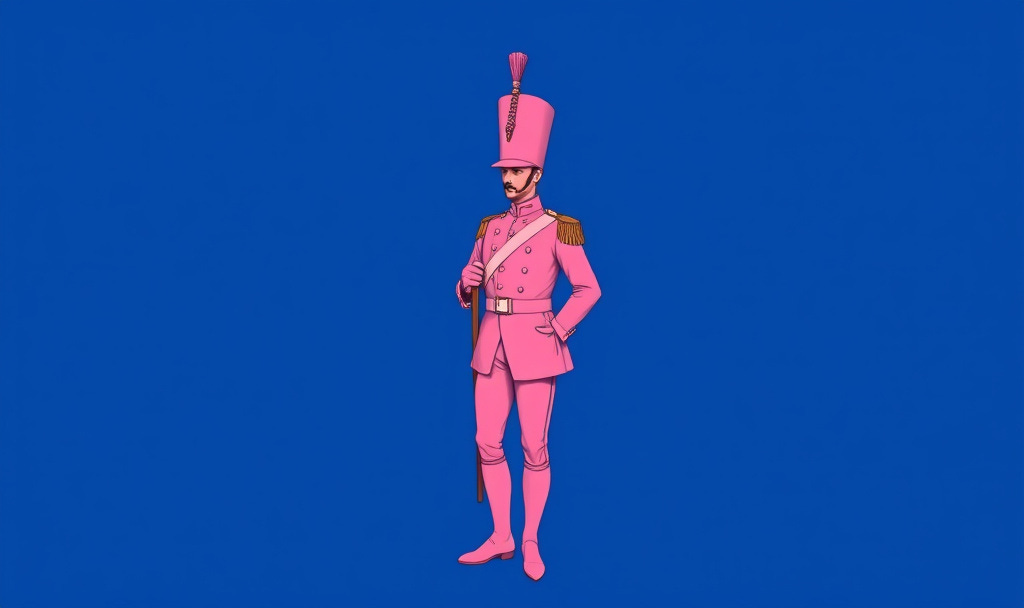
It wasn’t so long ago that Google staff rebelled over the company getting involved in “the business of war” through a contract for a Pentagon AI project. Now, defence and tech are bedfellows once again. Google has returned to the sector, while OpenAI is using a partnership with the DoD to exhibit its services to government.
Up until recently, defence was kind of taboo in tech circles. That’s why it might feel like new ground to some. “But we forget,” notes Clark, “that Silicon Valley itself was built on the connection between semiconductors and the Department of Defence in the 50s and 60s.”
It is not surprising that it is happening amid heightened geopolitical tensions. In my profile of Jade Leung, the Prime Minister’s new AI adviser, I highlighted some of the prescient predictions from her 2019 PhD thesis. Leung anticipated that heightened competition between countries would result in technology firms being “more pressured to serve national defence and security interests”.
Again, this is not new. But what gives this latest vibe shift its 21st century flavour is that culture is no longer distributed primarily through box office smashes like Top Gun. It proliferates online.
Earlier this week, I came across Defence Analyses and Research Corporation (DARC) for the first time. The US think tank, which is a project of the Foundation for American Innovation, has a uniquely appropriate tone for this moment in time. Fluent in memes, featuring work by sometimes pseudonymous researchers, it resembles the kinds of projects I usually come across when covering crypto, not policy.
In a characteristic piece, a DARC senior fellow going by the pen name Ladislav Bittman (presumably a tribute to former intelligence officer Lawrence Martin-Bittman), argues that shitposting should be seen as a national asset for the US.
“We are the birthplace of the internet’s most potent form of asymmetric communication – memes. We invented the troll and the shitpost. We are masters of digital imagery, ironic detachment, and rapid-fire, culturally fluent, emotionally resonant messaging. In the new information war, these traits are not bugs, they are features and it is time to mobilize them.”
I spoke to a one of the people behind DARC via Signal chat, who explained that the project was formed with “the common goal of supplanting the dead edifice of defence intellectualism”. Collectively the team signs themselves off as Katsuragi, so that’s how I’ll refer to the person I spoke with (many of the fellows and contributing writers use pseudonyms for the purpose of protecting intellectual freedom).
What’s most notable about about DARC is its humour, something that most think tanks would steer clear of when covering weighty subjects. The X account is a stream of hot takes, memes and copious references to the movie Heat. This is a very specific type of online parlance that cuts through the usual policy chatter.
“Everywhere you look, the West finds itself in urgent, dangerous times,” Katsuragi said. “Surging adversaries, a feckless world order, and a crippled domestic industrial base. As yet, it is the ‘serious’ strata of defence strategists and thinkers that seem curiously unfazed – willing to essentially pretend that it is still 1992 and to propose cautious, incremental changes.”
DARC is now expanding to the UK, following its research interests in what “alliance” means in the mid-21st century. The UK is a “flashpoint” for a lot of important discussions in defence, so “we want to be working with experts on the ground,” says Katsuragi. The expansion begins with a happy hour in Westminster tomorrow (DM the team for details if that interests you).
Adapting discussions around defence that begin in the US for British and European audiences can be challenge, James Clark told me. But the present moment has opened up an opportunity to tap into a buried sense of pride. “People want to feel pride in their country, what their culture is capable of producing. It’s a matter of finding a voice for European audiences [...] Yes, Europeans have an aversion to the ‘Team America Fuck Yeah’ kind of thing, but there’s no reason that you can’t find a way to talk about this that resonates in Europe.”
This is part of a wider trend he identifies, which involves talking not just to policymakers and defence officials who handle procurement, but to the public. He calls this the “consumerisation of defence” and it necessitates a whole new playbook.
How this cultural shift shakes out could also rearrange a few chairs in the tech industry. As the storytelling around defence companies becomes more potent, so does their pitch to top young talent.
“For every era, there are arenas of public life that manifest the greatest dramas, the hardest challenges, the most enduring choices,” said my contact at DARC. “This is the natural loci of young talent. In the last decades it has been the world of technology, but now it is the world of defence.”
Teatime scroll Each week I share links to writings, events, tweets and other conversation-starters. If you have something you think should be in here, feel free to reply to this email or DM me.
💊 London-based Delfa AI has raised $3.8m to tackle patient enrollment challenges for clinical trials.
📻 In honour of Melvyn Bragg stepping down from presenting In Our Time, here’s one of my favourite random websites: Braggosope. An interactive archive of all episodes of the show, it lets you browse by topic and follow your curiosity.
⌛ The next Long Now London meetup is on 10 September. It’s now BYOB!
💼 Policy & tech jobs corner: Chatham House seeks a new managing editor for International Affairs magazine; Transition VC is looking for a part-time PhD fellow; Oxford China Policy Lab has two part-time associate roles going; Coinbase needs a UK-focused international policy manager, and Perplexity has opened up its UK internship program.
🗺️ Speaking of Chatham House, Theresa May and Valerie Amos have been appointed presidents of the organisation.
📓 Tube strike allowing, we will meet to write and workshop our writing this Monday 8 September at IDEALondon. Come along if you have some work – a blog post, an essay, a report, a tweet – that you want to get finished or need a second pair of eyes on.